10 Books That Prove Long-Form Reading Isn’t Going Anywhere
10 powerful books that prove long-form reading isn’t dead. Explore how books still improve focus, thinking, and deep engagement today.on Apr 30, 2026

In an age of short videos, endless scrolling, and shrinking attention spans, long-form reading continues to hold its ground. In fact, readers today are not abandoning depth, they are actively seeking it. While quick content may dominate screens, books still offer something no algorithm can replicate: immersion, reflection, and the pleasure of staying with a story long after the final page.
This is exactly where the benefits of reading books become clear something fast content cannot replace.
At Frontlist, we often see how readers continue to gravitate toward books that challenge, comfort, and transform them. The importance of reading books remains strong, especially when stories are layered, expansive, and emotionally resonant.
These ten books prove that long-form reading is far from fading it is evolving, thriving, and still deeply relevant.
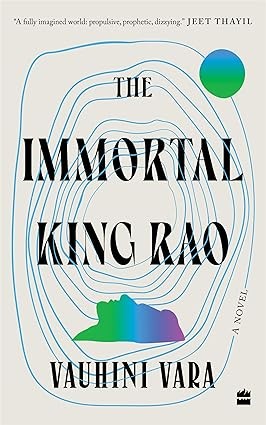
1. The Immortal King Rao by Vauhini Vara
A bold and ambitious novel, The Immortal King Rao blends family history with questions of technology, identity, capitalism, and power. It is the kind of book that rewards patient reading, offering readers a world rich in ideas and emotional complexity.
Long-form reading thrives when books dare to be intellectually expansive and this novel does exactly that, showing why reading books is important for deeper thinking.
.jpeg)
2. Afterlives by Abdulrazak Gurnah
Afterlives is historical fiction at its finest. Deeply human and beautifully written, it explores colonial histories, trauma, and resilience through unforgettable characters.
This is a reminder that some stories need space to breathe. A novel like this cannot be reduced to summaries or clips; it demands time and attention, making it one of those books that improve focus through immersive storytelling.
.jpeg)
3. Kafila: A Jhangi Family's Partition Memoir by Sumant Batra
Memory, migration, loss, and identity come together in Kafila. Personal yet historically significant, this memoir captures the emotional aftermath of Partition through the lens of family.
Books like this show why long-form nonfiction remains essential: they preserve voices, histories, and truths that deserve more than passing attention highlighting why people still read books despite digital distractions.
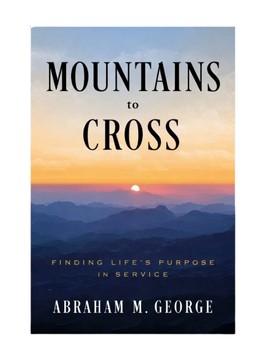
4. Mountains to Cross by Dr. Abraham M. George
A deeply personal account of growth, challenge, and transformation, Mountains to Cross reflects on the journey between privilege and purpose.
Readers continue to embrace memoirs because they offer lived wisdom. This book proves that real-life journeys can be as compelling as fiction when told with honesty and depth.
.jpeg)
5. How India Loves: Love Stories from the World’s Largest Democracy by Rituparna Chatterjee
Love is universal, but how it unfolds is shaped by society, culture, class, and freedom. How India Loves explores intimacy in modern India through nuanced real-life narratives.
At a time when relationships are often reduced to trends and headlines, this book offers something richer: context, vulnerability, and human truth exactly what books for thoughtful readers are meant to deliver.
.jpeg)
6. Lahore by Manreet Sodhi Someshwar
Part history, part cultural portrait, Lahore is an exploration of one of South Asia’s most iconic cities. Through politics, memory, food, art, and architecture, the book paints a vivid picture of place.
Long-form reading remains unmatched when it comes to transporting readers across borders and generations.
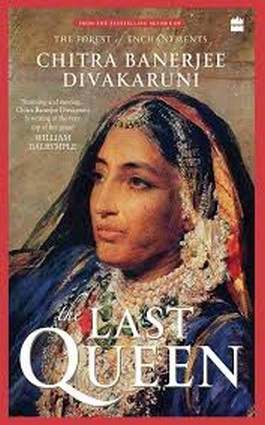
7. The Last Queen by Chitra Banerjee Divakaruni
Epic in scale and deeply emotional, The Last Queen brings history alive through drama, resilience, and political intrigue.
Historical fiction continues to attract readers because it combines entertainment with insight. Books like this remind us that the past is never really past.
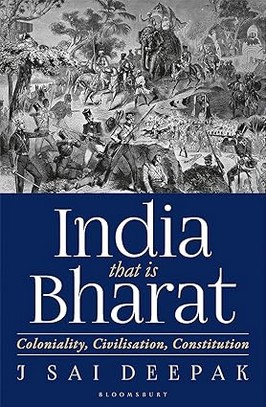
8. India that is Bharat: Coloniality, Civilisation, Constitution by J Sai Deepak
Thought-provoking and substantial, this book invites readers into a larger debate about identity, governance, and history.
Serious nonfiction still commands a devoted readership because readers want more than surface-level opinions. They want arguments, evidence, and ideas that stay with them—another reflection of the importance of reading books in shaping perspective.
.jpeg)
9. The Hawk’s Quest by Deepa Agarwal
Mythological retellings continue to captivate modern audiences, and The Hawk’s Quest does so with scale, imagination, and layered characterization.
When familiar legends are retold with freshness and depth, readers are reminded that storytelling traditions endure across generations.
.jpeg)
10. Kintsugi: A Novel by Anukrti Upadhyay
Inspired by the art of repairing broken pottery with gold, Kintsugi is a moving exploration of healing, relationships, and reinvention.
Emotionally nuanced fiction like this continues to resonate because readers are not just looking for plots they are looking for meaning.
Why Long-Form Reading Still Matters
Despite the noise of digital culture, books continue to offer something rare: uninterrupted engagement. The benefits of reading books go beyond entertainment—they build empathy, concentration, imagination, and emotional intelligence.
Long-form reading allows readers to sit with ambiguity, complexity, and beauty. It strengthens focus and encourages reflection, proving once again why reading books is important in a fast-paced world.
That is why these books matter. They are not designed for instant consumption—they are meant to be experienced slowly.
At Frontlist, we believe reading culture is not disappearing; it is deepening. Readers are becoming more selective, more curious, and more willing to invest time in books that genuinely enrich them.
Final Thoughts
The idea that no one has time to read anymore is simply untrue. Readers still make time for books that matter. They still seek stories that challenge them, comfort them, and stay with them.
These ten titles prove that long-form reading isn’t going anywhere. It is quietly becoming more valuable than ever. In a world of distractions, the benefits of reading books continue to stand strong, reminding us why people still read books today.
FAQ’s
1. What are the benefits of reading books regularly?
Reading books improves focus, enhances imagination, and builds emotional intelligence. It also helps readers engage deeply with ideas, making it one of the most effective ways to develop critical thinking and long-term concentration.
2. Why is reading books important in the digital age?
In a world dominated by short-form content, reading books allows for deeper understanding and reflection. It helps counter reduced attention spans and encourages meaningful engagement with stories and ideas.
3. Do books really help improve focus and attention span?
Yes, books, especially long-form content train the brain to concentrate for longer periods. Unlike quick digital content, reading requires sustained attention, which gradually strengthens focus over time.
4. Why do people still read books despite digital distractions?
People continue to read books because they offer depth, immersion, and emotional connection. Books provide a level of engagement that short-form content cannot replicate, making them valuable even in a fast-paced digital world.
5. What types of books are best for thoughtful readers?
Books that explore complex themes, strong narratives, and real-life experiences are ideal for thoughtful readers. These include literary fiction, memoirs, historical narratives, and thought-provoking nonfiction.
Post a comment
0 comments

Trending Posts
.jpg)
.jpg)


.jpeg)

.jpg)

Recent Post
.jpg)
.jpg)



Related Post

.jpg)
.jpg)
.jpg)

 (1).jpg)
.jpg)

© 2026 - Frontlist - News and Updates of Publishing Industry, Book Reviews, Education News, Author Interviews, and Videos.. All Rights Reserved.
Sorry! No comment found for this post.