5 Publishing Trends Defining the Literary World in 2026 Through the Books Everyone Is Reading
Publishing trends 2026 reveal a reader-driven shift rising audiobooks, indie authors, genre-blending stories, revived classics, and social media shaping how books are discovered.on Apr 03, 2026
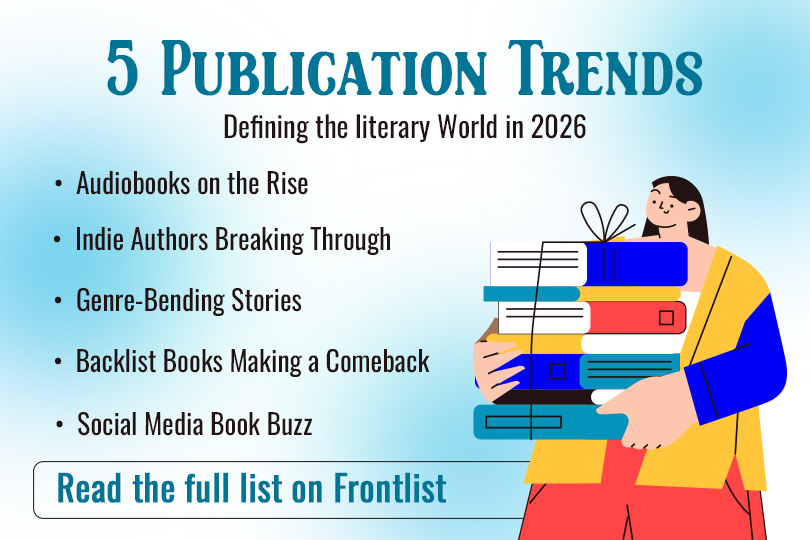
Publishing trends 2026 don’t arrive as announcements; they reveal themselves quietly, through the books readers can’t stop talking about.
In 2026, the global literary landscape is being shaped not just by what is published, but by how stories are told, discovered, and remembered reflecting a shift in the global publishing industry and evolving modern reading culture.
Here are five defining trends, and the books that capture them best.
1. The Audiobook Boom: Stories That Speak
Reading is no longer limited to the page. It’s happening in headphones, during commutes, workouts, and late-night unwinds highlighting the rapid audiobook growth and changing digital reading habits.
Books that have thrived in this listening culture include:
Project Hail Mary by Andy Weir
The Seven Husbands of Evelyn Hugo by Taylor Jenkins Reid
Becoming by Michelle Obama
These books work because they feel intimate, voice-driven, almost conversational.
What it means:
Stories today are written not just to be read but to be heard.
2. Indie Authors Are Redefining Success
The idea that a writer needs a traditional publisher to reach readers is quickly fading, driven by rising self-publishing trends across the global publishing industry.
Across the world, independently published books are building massive readerships and cultural impact.
Standout successes include:
It Ends with Us by Colleen Hoover
The Martian by Andy Weir
Milk and Honey by Rupi Kaur
These books didn’t just sell they built communities.
What it means:
Readers are discovering authors directly. Gatekeeping is no longer the center of publishing.
3. Genre Is Breaking – And Readers Love It
Today’s most talked-about books don’t fit neatly into one category—and that’s exactly their appeal, reflecting shifts in modern reading culture.
Some of the most compelling global titles blur genres effortlessly:
The Night Circus by Erin Morgenstern
Tomorrow, and Tomorrow, and Tomorrow by Gabrielle Zevin
Cloud Atlas by David Mitchell
These stories mix literary fiction with fantasy, gaming, romance, and philosophy.
What it means:
Readers are no longer looking for genres.
They’re looking for experiences.
4. Backlist Books Are Becoming Bestsellers Again
In an unexpected shift, older books are finding new life, sometimes years after their release.
Global examples include:
The Song of Achilles by Madeline Miller
A Little Life by Hanya Yanagihara
Norwegian Wood by Haruki Murakami
These are not new titles, but they feel new to today’s readers.
What it means:
A book’s lifecycle is no longer limited to its launch.
Great stories don’t expire , they resurface.
5. Social Media Is the New Global Bookshelf
Discovery has shifted from bookstores to screens, reshaping digital reading habits and influencing the global publishing industry.
Platforms like Instagram and TikTok are turning books into global conversations overnight.
Books that went viral:
Verity by Colleen Hoover
A Court of Thorns and Roses by Sarah J. Maas
The Love Hypothesis by Ali Hazelwood
Many of these weren’t instant hits, until readers made them one.
What it means:
Readers are no longer passive consumers.
They are curators, reviewers, and trendsetters.
Final Thought
If you look closely, these publishing trends 2026 point to one larger shift:
Publishing is becoming more reader-driven than ever before.
Stories are discovered socially
Success is built organically
Genres are dissolving
Formats are evolving
alongside digital reading habits And through it all, one thing remains constant:
A powerful story will always find its audience, no matter how the global publishing industry changes.
FAQS
1. What are the key publishing trends in 2026?
The key publishing trends 2026 include audiobook growth, the rise of indie authors, genre-blending books, backlist books gaining popularity again, and social media-driven book discovery.
2. How is audiobook growth changing reading habits?
Audiobook growth is allowing people to consume stories through listening during daily activities like commuting or workouts, making reading more accessible and flexible.
3. Why are indie authors becoming more successful in 2026?
Indie authors are succeeding due to self-publishing trends that allow them to reach readers directly without traditional publishers, often building strong reader communities.
4. What is meant by genre-blending in modern books?
Genre-blending refers to books that combine elements from multiple genres like fantasy, romance, and literary fiction, offering readers more immersive and unique experiences.
5. Why are older books becoming popular again?
Backlist books are gaining popularity as readers rediscover older titles, often through social media, giving these books a new life years after their release.
6. How is social media influencing book trends?
Social media platforms like Instagram and TikTok are helping books go viral, turning them into global trends and changing how readers discover new titles.
7. What role do readers play in the modern publishing industry?
Readers are now active participants they recommend, review, and promote books, making publishing more reader-driven than ever before.
8. How are digital reading habits evolving in 2026?
Digital reading habits are evolving with the rise of audiobooks and online platforms, allowing readers to access and engage with stories in more convenient and interactive ways.
publishing trends 2026
audiobook growth
indie authors
self publishing
digital reading habits
booktok
bookstagram
modern reading culture
global publishing industry
backlist books
genre blending
viral books
Post a comment
0 comments

Trending Posts
.jpg)
.jpg)


.jpeg)

.jpg)
Recent Post
.jpg)
.jpg)


Related Post

.jpg)
.jpg)
.jpg)

 (1).jpg)
.jpg)

© 2026 - Frontlist - News and Updates of Publishing Industry, Book Reviews, Education News, Author Interviews, and Videos.. All Rights Reserved.
Sorry! No comment found for this post.