German Publisher Sues OpenAI Over AI-Generated Children’s Book Content
Penguin Random House sues OpenAI over ChatGPT allegedly reproducing German children’s book content, sparking debate on AI training and copyright laws.on Apr 01, 2026
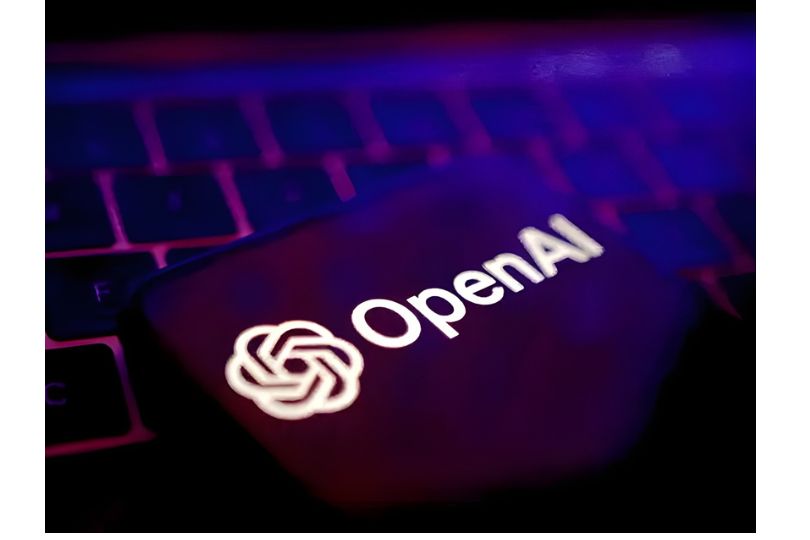
Penguin Random House is in a dispute with OpenAI over copyright issues in Europe. Penguin Random House accuses OpenAI's AI tools of generating copyright-protected content from the hugely successful book series "Coconut the Little Dragon" by Ingo Siegner.
Penguin Random House claims in its legal filings that when ChatGPT is prompted, it can create text passages, illustrations, book covers, and promotional blurbs that look eerily similar to those written or created by Ingo Siegner. The company is concerned about this because the copyright infringement lawsuit states that the outputs are not just based on the Coconut series, but in many instances "are virtually indistinguishable from the actual works of Ingo Siegner," constituting substantial unauthorized use of copyright protected content. The publisher also believes that users could create physical children's books which are similar or identical to Coconut children’s books and infringe on the author's rights, which would result in their books no longer being a viable economic product for him.
Filed in a court in Munich, the case questions whether copyrighted works were used in training AI systems without proper licensing or consent. While OpenAI has consistently maintained that its models are trained on a mix of licensed, publicly available, and user-generated data, this lawsuit adds to a growing list of global legal challenges faced by AI companies.
The dispute highlights a broader tension between technological innovation and intellectual property protection. As generative AI tools become more advanced, publishers, authors, and creators worldwide are increasingly demanding transparency and clearer regulations around how their content is used.
This case could become a significant precedent in defining the legal boundaries of AI-generated content and copyright law, especially within the publishing industry.
#OpenAI
#ChatGPT
#AICopyright
#PenguinRandomHouse
#AIethics
#Copyright
#PublishingIndustry
#GenerativeAI
#TechNews
Post a comment
0 comments

Trending Posts
.jpg)
.jpg)


.jpeg)

.jpg)
Recent Post
.jpg)
.jpg)



Related Post






© 2026 - Frontlist - News and Updates of Publishing Industry, Book Reviews, Education News, Author Interviews, and Videos.. All Rights Reserved.
Sorry! No comment found for this post.